ZenGroup Community
Three ZenGroup Employees Share Their Stories of Building a New Life in Kansai.

 Did you know?
Surprising Similarities Between Karaage and Southern Fried Chicken!
Fried chicken—a beloved soul food in the American South—shares a comforting warmth with Japanese karaage in both seasoning and crispy texture. American employees living in Kansai were quickly charmed by its familiar, comforting taste.
Comparing Kansai Cities to the US
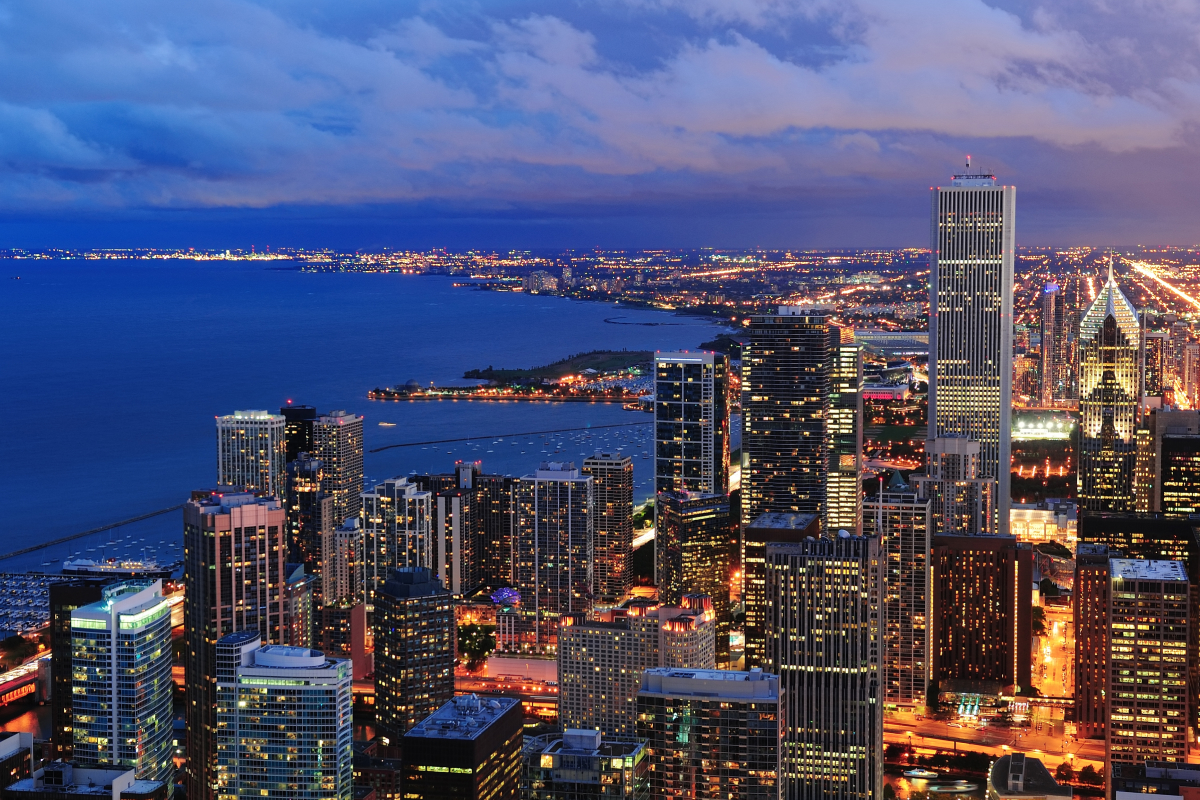
According to ZenGroup employees, cities in Kansai feel remarkably similar to US cities: “Osaka is Chicago with less pizza” and “Kyoto is a blend of Washington D.C. and Philadelphia.” Thinking of them this way makes a distant country like Japan feel a little closer to home!
Car-Free Comfort!
For employees from car-centric America, Kansai’s extensive public transportation is a welcome surprise. Moving around comfortably by train, bus, or on foot without worrying about traffic or maintenance costs offers a truly high quality of life.
Three ZenGroup Employees Share Their Stories of Building a New Life in Kansai
Moving to another country is exciting, but it can also be overwhelming. Every new experience, from finding an apartment and learning the train system to making friends and discovering your favorite local café becomes part of building a new life.
At ZenGroup, an Osaka-based cross-border e-commerce company, our team is made up of professionals from more than 30 countries. Among them are several colleagues from the United States, each with their own unique journey to Japan. Some first arrived as students, others relocated through programs like JET, and some came to build their long-term careers.
We asked three of our American colleagues what life has really been like living and working in Japan. While every story is different, they all shared one thing in common: finding a home isn’t something that happens overnight—it’s something you build.
First Impressions:
Vibrancy, Culture, and a New Pace of Life
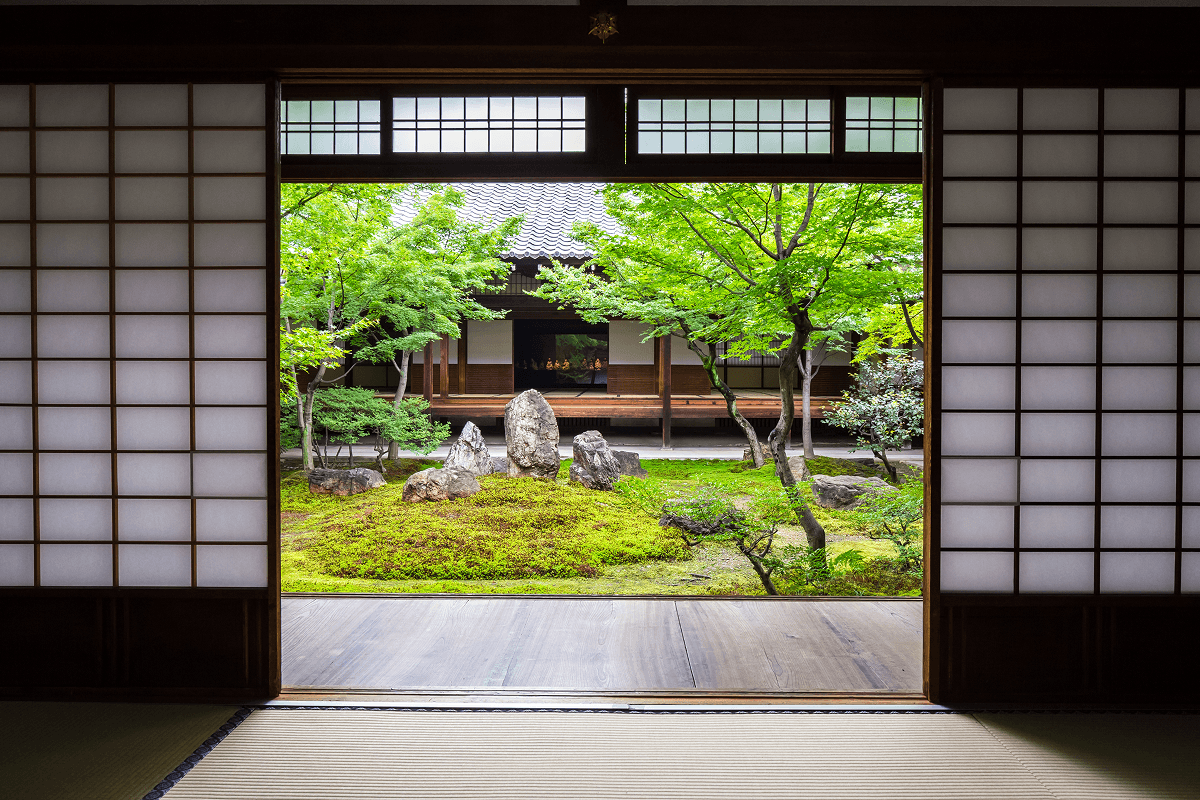
For many of our colleagues, arriving in Kansai was both exciting and surprising. Osaka and the surrounding cities offered a vibrant blend of culture, history, and modern convenience that stood out immediately.
One employee shared their impressions of the region’s unique layout:
“My first impressions of the Kansai area was that it seemed like a very vibrant region with lots of culture! The fact that the historic feel of Kyoto is so close to the large bustling city of Osaka is a very nice combination.”
Another colleague noticed how the local atmosphere felt distinct and relaxed compared to other metropolitan areas:
“The people were a lot more relaxed in their appearance and attitudes than in Tokyo, and there are a lot of great food options everywhere, especially outside of the tourist-heavy areas.”
The transition to Japan’s infrastructure was also a major change, particularly regarding transportation:
“The major difference is the fact that the Kansai region has a very expansive public transportation system. There are so many options for buses, trains, and metro systems that I was not used to living in the United States.”

Finding Connections and Overcoming Loneliness
Moving abroad can sometimes feel isolating, but our colleagues found various ways to build their own communities and make lasting friendships.
For some, starting at a Japanese university was the perfect gateway to building a support network:
“I initially moved here for university, so that was the first place that I made many of my friends in Japan. It was a little bit awkward to meet new people, but because many of us were in the same situation it was not hard to bond over that fact.”
Others found that diving deep into hobbies, language events, and local establishments was the best way to connect:
“Mainly through visiting izakayas, small bars, and looking for events that interested me. I can’t recommend language exchanges or ex-pat events enough though if you are searching for more outside-of-work friends. Through hobbies, mostly. Once you become dedicated to something and spend time pursuing it, people will remember you and start talking with you. If you can speak Japanese then it’s a lot easier, as people will be more comfortable talking with you.”
Whether through sports clubs, language schools, or music festivals, they managed to build rich social lives:
“I participate in a variety of sports clubs. They include: Tennis, Soccer, and American Football. I also met people going to Hip-hop music festivals and events.”
Discovering the Best of Kansai
When asked about their favorite memories and places, our colleagues highlighted experiences that let them connect with the authentic, everyday side of Japan.
One employee recalled a memorable night out with friends celebrating music, beer, and shared interests:
“One of my favorite nights out after work was when a group of friends and I started at a place called Craftsman Umami near Umeda. The brewer there is actually an American and a friend of one of my friends. After a few drinks and some light snacks, we moved on to Brewpub Center Point for some good American-style BBQ, and finally on to a Star Wars-themed bar called Pachimon Wars that specializes in bootleg Star Wars memorabilia. It was a great night out for a bunch of Americans who love beer, bbq, and some Star Wars.”
For others, everyday experiences and exploring local, less-frequented shrines are where the true magic lies:
“Sometimes I like to visit smaller shrines in lesser known cities on Google maps. For example, once I visited Mukojinja Shrine in Muko, Kyoto. These shrines tend to be in pretty random places so there are normally not many tourists that venture to see these places. Traveling to these types of shrines tend to give you a better picture of everyday Japanese life.”
And sometimes, connection is found in the most mundane, local activities:
“Nothing makes you feel connected like swarming the discounted meat with the old Japanese ladies at the grocery store”

Staying Connected to Home
Even while building a full life in Kansai, keeping in touch with American culture and finding familiar tastes remains important. Our colleagues stay connected digitally and through food:
“I tend to speak with my family back home on a daily basis, but I tend to follow American culture through online social media platforms.”
“I still watch my favorite TV shows on youtube, and I can talk with my friends online.”

When craving American food, Osaka offers some fantastic local spots:
“In Osaka, places like Henry’s Pizza (amazing NY-style pizza), and Center Point BBQ help things feel a little more of America when I miss it.”
Over the years, finding foreign ingredients in Japan has also become significantly easier:
“I noticed around the time Kaldi started opening stores though, it was a lot easier to find foreign food ingredients, and more international ingredients started becoming available in even regular grocery stores.”
Learning to Love Japanese Food
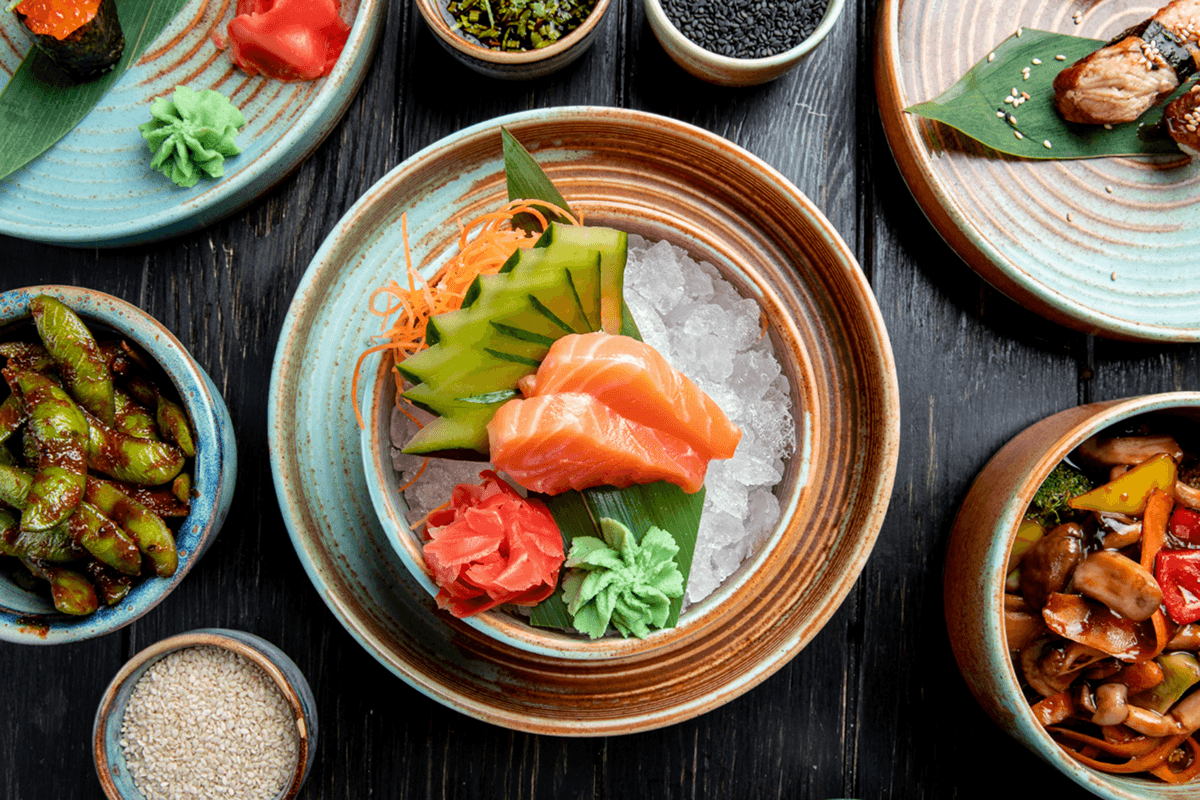
Adjusting to a new culinary landscape brings both challenges and delightful discoveries. While some foods require a bit of a mental hurdle, others quickly become comfort food favorites:
“For me and many Americans, I think hormone/horumon (ホルモン) is one of the more difficult foods to get used to… It’s literally the internal organs and it’s very popular to find many horumonyaki restaurants in Kansai.”
“My host family in 2004 would serve shokupan for breakfast because I was American, and I tried to get used to it but I couldn’t get over the ‘wonderbread’ feeling of it. Eventually I discovered it makes perfect French toast if you soak it overnight in the egg mixture, but I still can’t eat it plain.”
On the other hand, some dishes brought back comforting, nostalgic flavors from back home:
“Karaage is very similar to the Fried Chicken that I am used to back home. As a person that grew up in the American South, it reminds me of the Soul food from that region.”
For newcomers, our colleagues offer some great food-related advice:
“Try everything. Even if it’s only once, I think a lot of foods and flavors will surprise you.”
“Osaka is known for its Takoyaki so I would definitely give that a try if you can.”
Growing a Career in Japan
Living and working in Kansai has opened up unique opportunities and a high quality of life that would be hard to find elsewhere. The convenience and safety of the region are standout benefits:
“Being able to go through life without needing a car is nice. If I really need to use a car for something, then there are plenty of taxis available. Though the fare is expensive, it’s still cheaper than owning and maintaining a car.”
“The costs of food and travel in Japan are still fairly low, so I’ve been able to travel around a lot which has been great. Kansai is right in the middle which makes it very convenient to explore a lot of Japan in either direction.”
Others appreciated the professional growth and environment of working at ZenGroup:
“Being able to work with ZenGroup is something I benefited from by being Kansai based.”
One Final Piece of Advice
Before concluding, we asked our colleagues what they would say to another American who is considering relocating to Kansai but might feel nervous about the move:
“Moving anywhere new is going to be a challenge, it’s all about if they think it’s best for them to make the move. Having national health insurance is nice though!”
“If possible, come and visit the area and try to visit regular neighborhoods. Before choosing my apartment, I traveled around to check out a few areas to see what life was like… it made my overall move a lot easier.”
And one employee shared a wonderfully creative, comparison of Kansai’s major cities for Americans:
“Osaka is just Chicago with less pizza. Kyoto is if Washington D.C. and Philadelphia were merged into one. Nara is out of the way, but a very peaceful visit. Kobe seems very upscale, but surprisingly has a very international environment!”