ZenGroup Community
Three ZenGroup Employees Share Their Stories of Building a New Life in Kansai.

 Did you know?
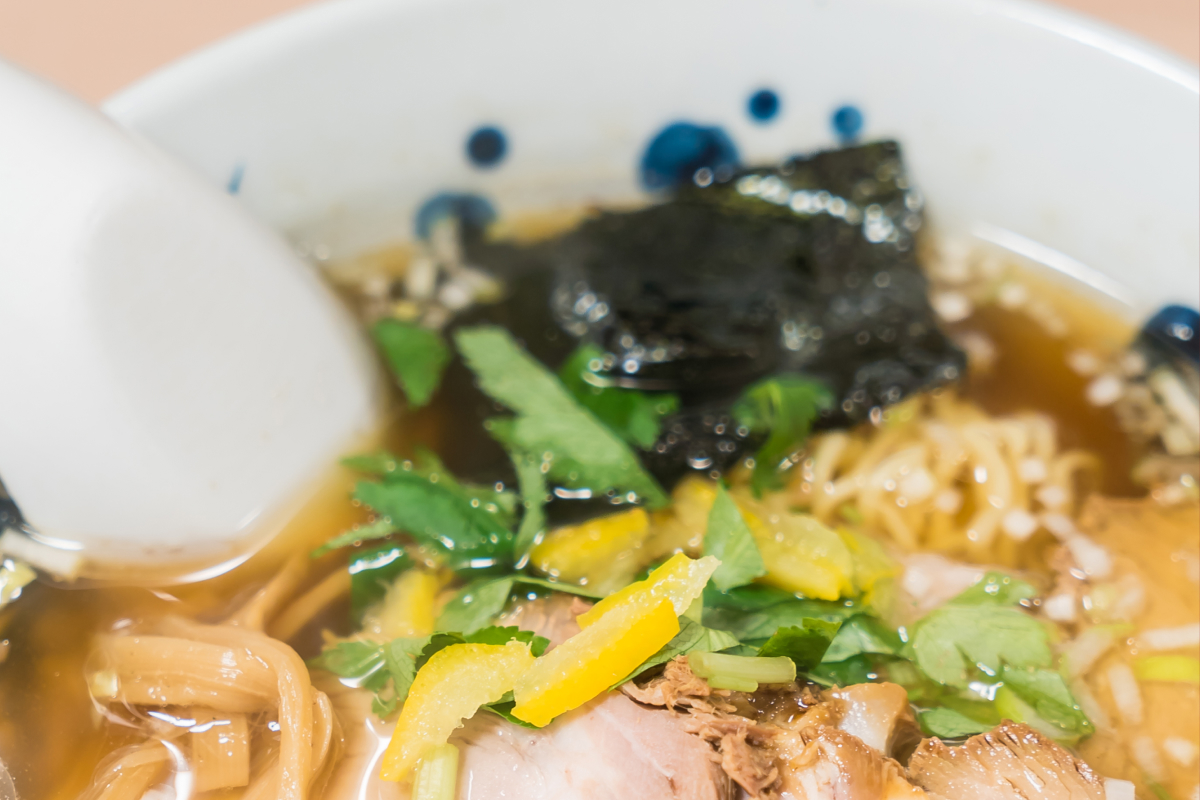
Childhood Flavors in a Bowl of Ramen
Missing savory, deeply seasoned home cooking? One German colleague noticed that the rich saltiness of Japanese ramen broth tastes remarkably like the regional dishes they grew up eating as a child in Germany! Just remember that drinking every last drop of the broth is often met with surprised looks by Japanese locals.
Osaka and North Rhine-Westphalia (NRW): Industrial Siblings
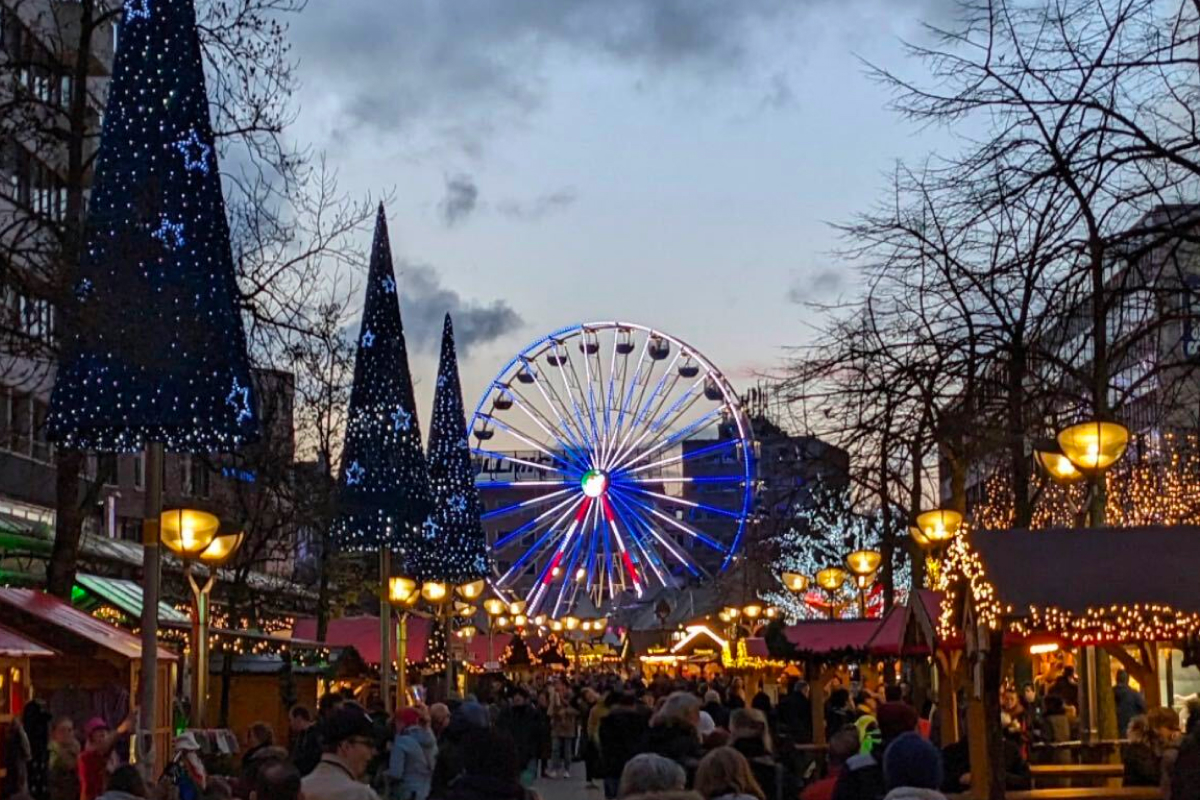
While Tokyo’s reserved orderliness often feels closer to standard perceptions of Germany, Osaka shares striking similarities with North Rhine-Westphalia (NRW). Both regions boast proud industrial roots, passionate grassroots sports cultures, high immigration, and a rugged, authentic energy backed by friendly, direct locals.
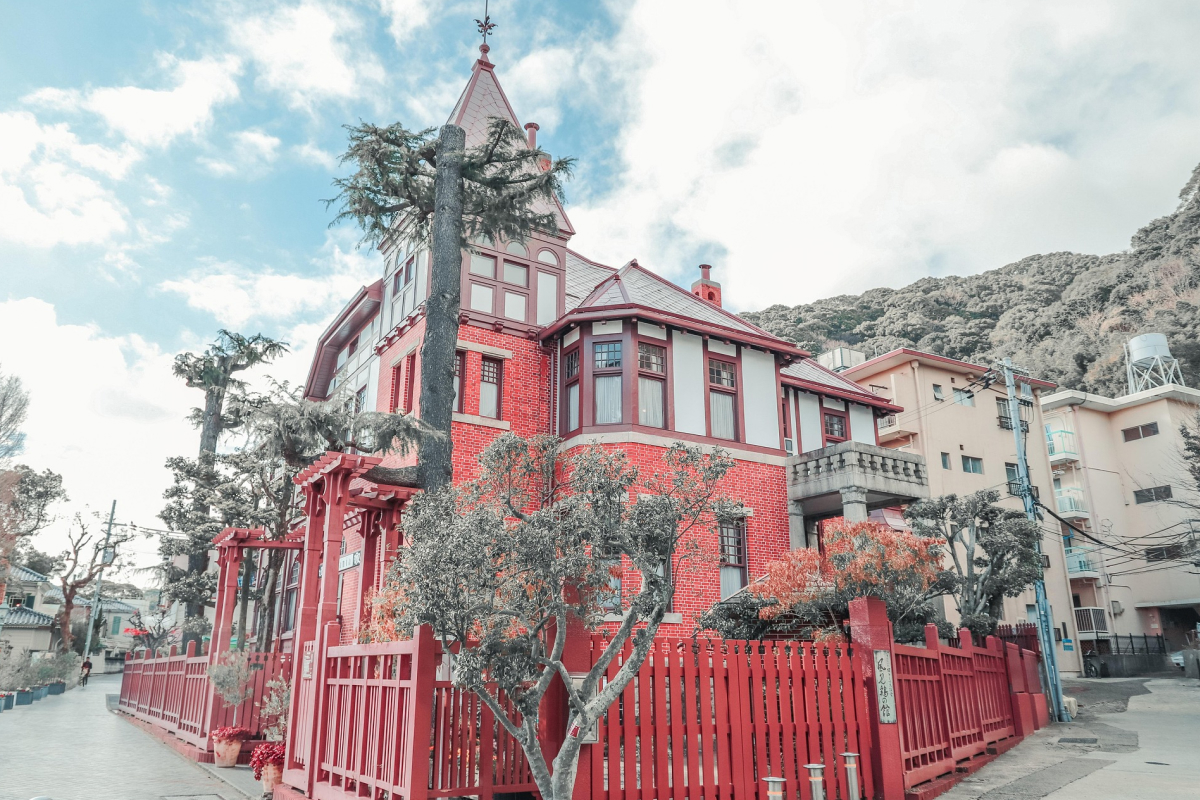
European Architecture Around the Corner
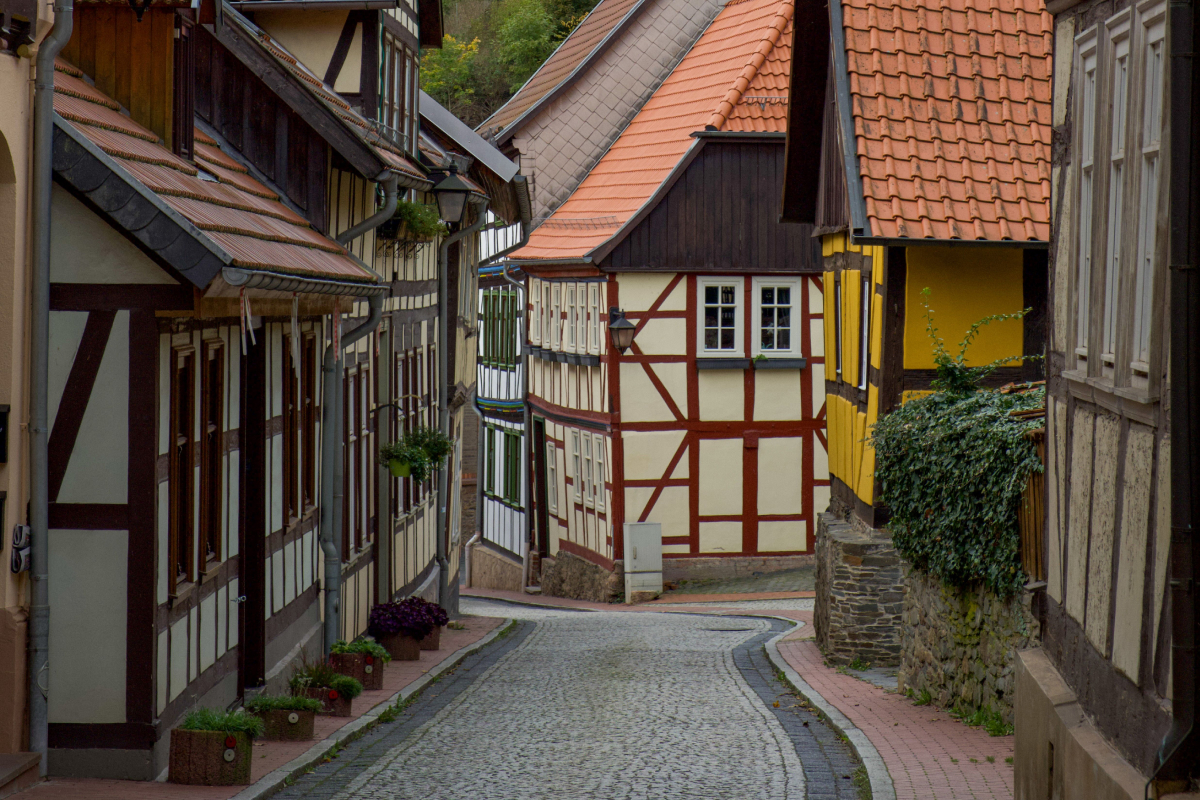
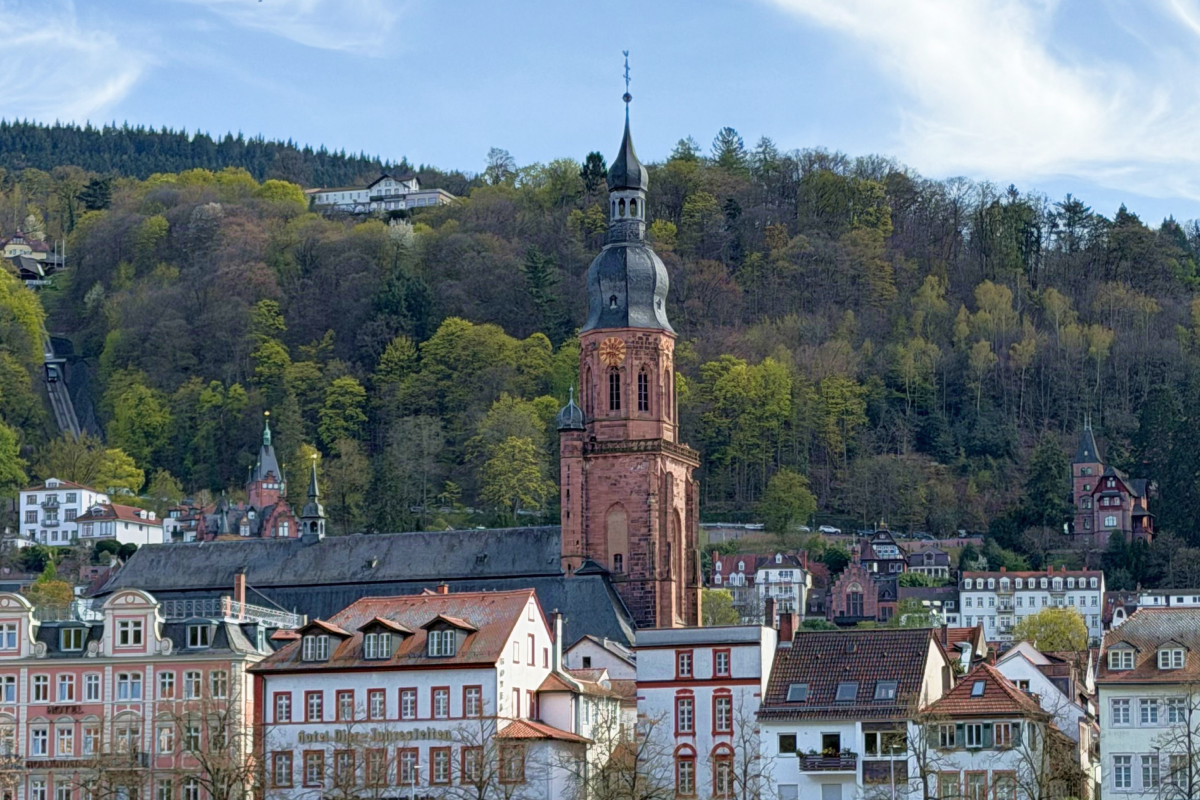
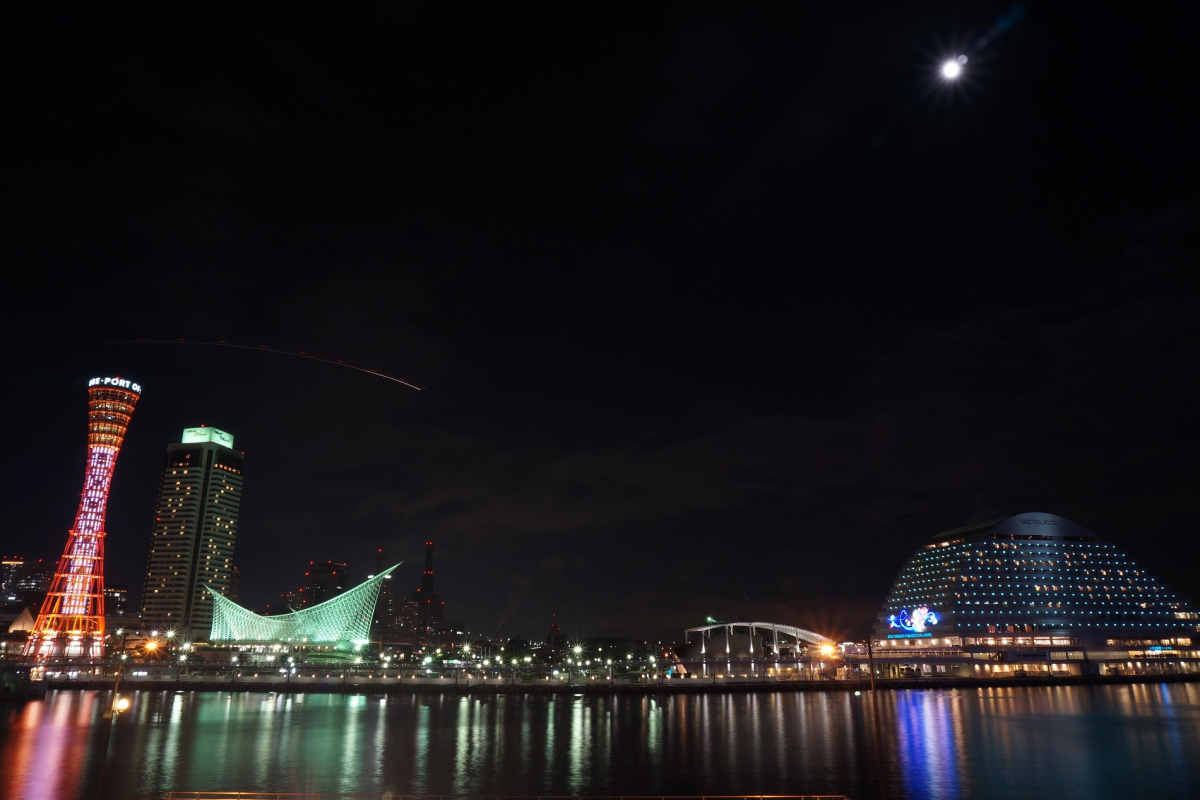
When you want a taste of European townscapes, Kobe’s historic Kitano-cho district offers genuine Western-style architecture right by the bay. Even modern satellite hubs like Senri-Chuo in northern Osaka share an unexpected structural resemblance to the mid-century planned “new towns” of East Germany and Westphalia.
Hearty Bavarian Classics at German Beer Haus Hamburg:
Authentic regional fare from specific German federal states is notoriously hard to track down in Japan, but craving a full German meal is easy to fix. Osaka’s German Beer Haus Hamburg serves up generous, authentic German plates—which, despite the coastal northern city in its name, are packed with hearty Bavarian classics!
Three German ZenGroup Employees Share Their Stories of Building a New Life in Kansai
Moving to another country is exciting, but it can also be overwhelming. Every new experience, from finding an apartment and learning the train system to making friends and discovering your favorite local café becomes part of building a new life.
At ZenGroup, an Osaka-based cross-border e-commerce company, our team is made up of professionals from more than 40 countries. Among them are several colleagues from Germany, each with their own unique journey to Japan. Some first arrived as students, others relocated after living elsewhere in Asia, and some came to build their long-term careers.
We asked three of our German colleagues what life has really been like living and working in Japan. While every story is different, they all shared one thing in common: finding a home isn’t something that happens overnight—it’s something you build step by step.
First Impressions: Openness, Space, and Unexpected Parallels
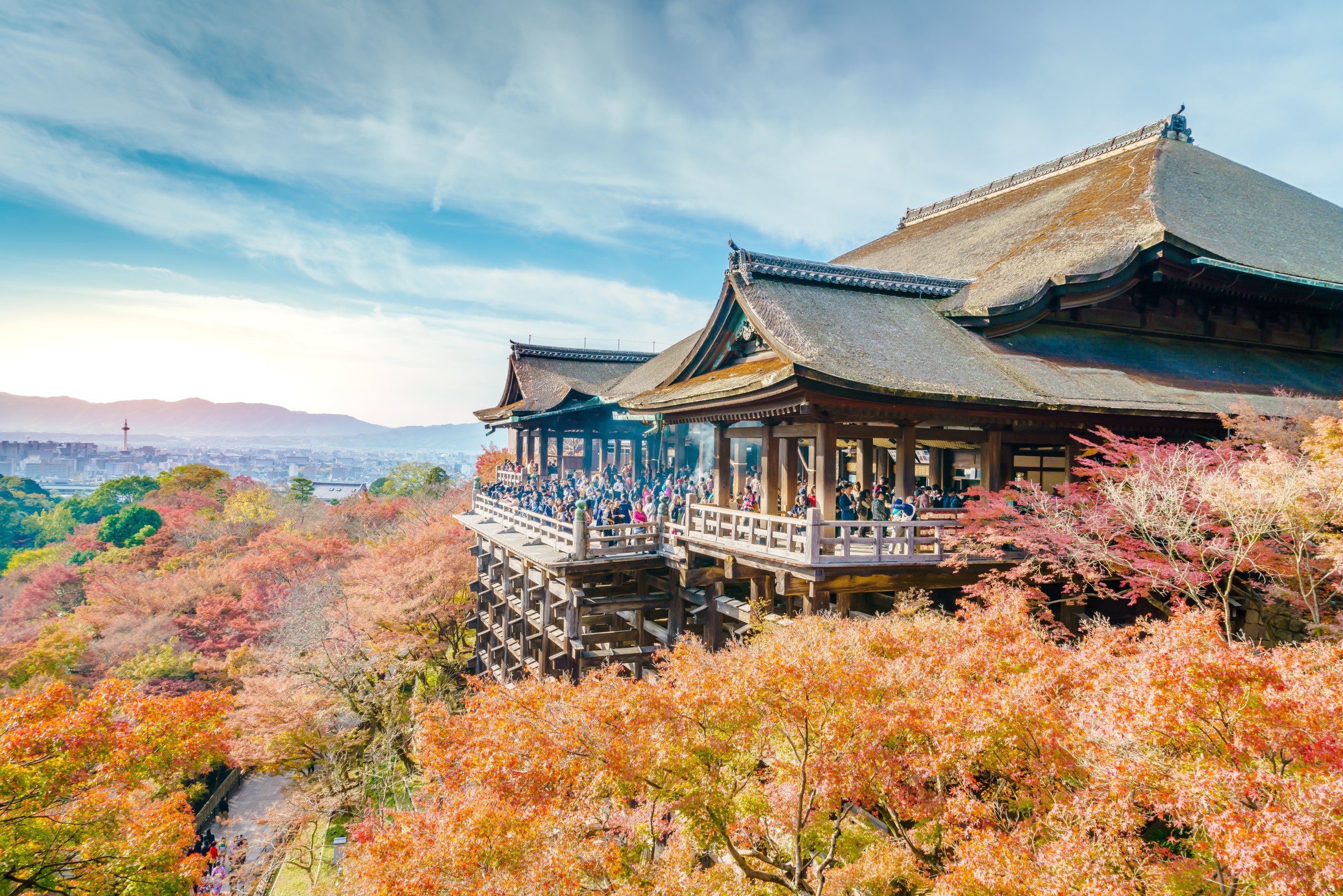
For our German colleagues, arriving in Kansai challenged common stereotypes about Japan being uniformly reserved or densely packed. Osaka and the wider Kansai region greeted them with approachable locals, expansive breathing room, and a refreshing sense of ease.
One colleague arrived in Japan without knowing any of the language, yet immediately felt embraced by the community: “Very warm and welcoming. When I first came to Kansai after getting my degree at a Berufsoberschule, I was unable to speak or read a single word of Japanese. Despite that, everyone was very accommodating and helpful.”
Another appreciated the relaxed spatial dynamic compared to Japan’s capital:
“I felt that it was more ‘inaka’ than Tokyo or Kanto region. [Fewer] crowds, more walking space.”
When comparing daily realities between Germany and Japan, systemic and social contrasts surfaced quickly. Bureaucratic processes felt surprisingly similar in their thoroughness, but interpersonal communication sat on opposite ends of the spectrum: while Germans can be more straightforward, Japanese culture often prioritizes indirect politeness and social buffer words.
However, for one colleague hailing from North Rhine-Westphalia (NRW), Osaka struck an unexpected chord of familiarity: “I found Osaka to be a lot more similar to my home state than Tokyo; and I found Tokyo to be more similar to most of Germany. Osaka’s industrial identity, grassroots sports culture, loud, friendly but direct locals, high immigration and rugged feel reminds me of NRW, my home state.”
They also noted a stark contrast in everyday social discourse:
“There are of course a lot of differences too, from dining culture to the punctuality of the trains. The starkest difference to me was how apolitical the average Japanese person seems to be, with politics playing no role in daily life—which I feel is the opposite of Germany, where politics is part of daily life and a commonly discussed topic among family and friends.”

Finding Connections and Overcoming Loneliness
Moving halfway across the world often sparks anxiety about loneliness, but our German colleagues found that Kansai made forming genuine friendships remarkably intuitive—especially when stepping outside traditional expat bubbles.
None of our interviewees actively sought out other Germans. Instead, they focused on organic hobbies, shared interests, and meeting people from all walks of life. For one colleague, settling in was smooth from the start: “I initially was happy to not have a lot of social obligations, since I was enjoying and exploring the novelty of moving here. By the time that novelty wore off, I had already built an initial social circle.”
Another team member found that common lifestyle interests made socializing even easier than back home:“I never felt lonely as I could make some very good friends [from] abroad, people who share the same interests in Asian culture or hobbies (e.g. karaoke). If anything, I felt more lonely in Germany. I use apps such as Tandem, or go to yoga classes. Going out to izakayas in more local areas also helps to naturally connect and strike [up] a conversation with locals.”
Whether it was playing casual futsal, joining live music venues and queer community events, or tapping into local university crowds, having an open mindset proved to be the winning formula: “I think it’s generally somewhat difficult to establish a social life once you finish university and move somewhere else for work—even when you’re staying in the same country… That may be just because I didn’t really care about just getting to know Japanese people, but was more than happy to find friends of any nationality, as long as they were staying here long-term.”
Discovering the Best of Kansai
When asked about their favorite memories and places, our colleagues bypassed standard tourist traps in favor of authentic everyday spots, riverside strolls, and local community haunts.
One employee fondly recalled a refreshing nature excursion just an hour and a half outside the metropolis: “At the tail end of summer, my friends and I did a trip to the Tamagawa Gorge to go swimming, which I thought was really cool. It’s a bit out of the way, but it only took about an hour and a half to get there. It’s definitely easy to escape the city if you know where to go.”
Others found lasting connections at neighborhood counters, such as a cozy regular bar in Kobe where they still visit just to chat with the owner. For newcomers looking to experience everyday Kansai life, our colleagues offered an insider guide: “In central Osaka, skip Dotonbori in favour of Sennichimae. In the north, make the jump to Juso, enjoy the river view at the recently renovated Yodogawa and maybe head to a local izakaya. Do a daytrip to Ikoma or another commuter town (although Ikoma is the prettiest one)—for Ikoma also consider going up to the Showa era amusement park on top of Mt. Ikoma. Head to Expo Park, Tsurumi Park or Nagai Park, or go find a Surugaya, Hard Off or Second Street that’s large and very far away from the centre.”
And for neighborhood culture, spots like Osaka’s vibrant Tsuruhashi district and the historic port neighborhoods of Kobe were top recommendations for experiencing true local character.
Staying Connected to Home
Maintaining ties with Germany takes many forms, from keeping in regular contact with family and childhood friends to engaging with online German culture. Professionally, one colleague stays deeply plugged in daily as a German Language Marketer at ZenGroup.
When it comes to tracking down regional German delicacies, however, our team members recommend managing expectations: “They don’t make good NRW food anywhere in Japan; they barely make it in other parts of Germany.”
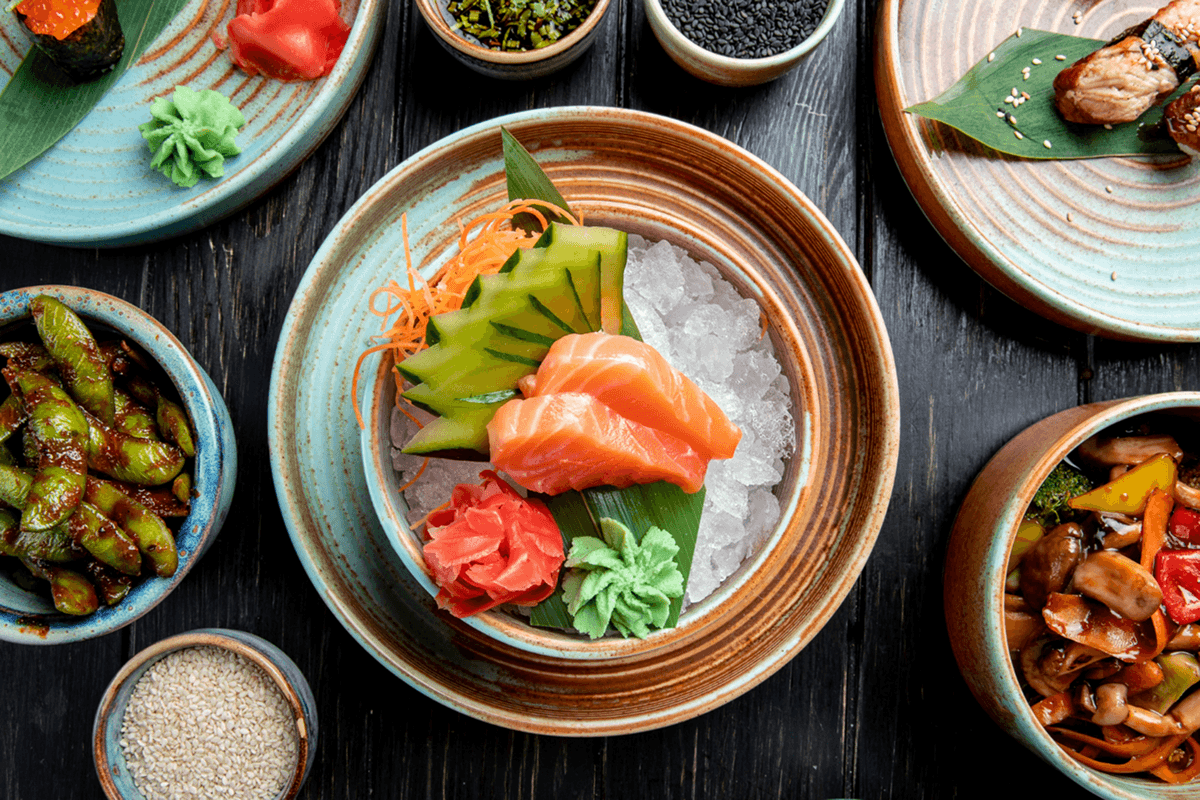
Still, when someone is in the mood for traditional German plates and beer, Kansai has reliable go-to spots: “German Beer Haus Hamburg in Osaka is a really nice restaurant that serves German dishes. Contrary to the name a lot of the dishes are Bavarian.”
For home cooks, international grocers like Kaldi Coffee Farm and import specialty stores across Osaka make it possible to pick up classic European baking ingredients and European pantry staples whenever homesickness strikes.
Learning to Love Japanese Food
Adapting to Japan’s culinary world brought a blend of adventurous breakthroughs, firm preferences, and practical tips. While some Japanese staples proved difficult to adopt, others quickly earned a place in their routines:
“Natto, I’ve gotten used to it but the concept is odd; I do also really hate matcha. I love tsukemen.”
“Most seafood is not my cup of tea. I do not like fish in general and I gave up trying to get used to it. My favourites are omelette rice and curry.“
Interestingly, one colleague found that a traditional Japanese staple echoed childhood meals back in Germany: “Ramen broth with its saltiness reminds me of the dishes I used to eat when I was little at home. Though it could [also be] a very regional thing, and I know it is frowned upon by many Japanese to actually drink the broth haha.”
Their culinary advice for any German newcomer preparing for their first year in Kansai is candid and adventurous: “Forget the concept of good bread and sausages, and just embrace that the diet here is different. Also, don’t limit yourself to Japanese food, the best restaurants in Osaka are Chinese!”
Growing a Career in Japan
Relocating to Kansai brought tangible advantages for lifestyle balance, financial stability, and personal growth.
Compared to Tokyo’s steep housing market or higher prices in major European metropolises, Kansai offers spacious living without exorbitant price tags:
“I have a nice spacious apartment for the fraction of cost I would spend in Tokyo.”
“The rent per square metre is pretty good, so it’s possible to get a good apartment size even on a reasonable salary.”
Beyond comfortable living arrangements, our colleagues highlighted how living in the region accelerated their Japanese fluency and elevated their overall day-to-day well-being: “It’s become better. I enjoy my day-to-day life way more than I did in Germany.”
Working at ZenGroup provides a dynamic, multicultural environment where our German team members can leverage their native language and cultural insights daily, collaborate with colleagues representing over 40 nationalities, and build fulfilling global careers in the heart of Osaka.
One Final Piece of Advice
For any German who is contemplating a career and life in Kansai but feels intimidated by the big move, our team members offered grounded, reassuring perspectives. While relocating halfway across the world can feel like a monumental decision, our colleagues pointed out that moving to Japan doesn’t have to feel like an irreversible leap—and taking a little time to get to know Kansai’s distinct neighborhoods and pace of life on your own terms makes all the difference.
As one colleague put it with simple, direct encouragement:
“Give it a try!”
“It’s a low-risk adventure! You can always head home anytime, so just give Kansai a shot. You’ll gain amazing experiences no matter what.”
At ZenGroup, we’re proud to work alongside talented people from around the world who bring different perspectives, cultures, and experiences to our team every day. We hope these stories have given you a glimpse into what life in Kansai can be like—not just as a place to work, but as a place to build friendships, discover new opportunities, and create a home away from home.